ProLogium stock
Private-market facts for current and former ProLogium employees researching their stock.
Overview
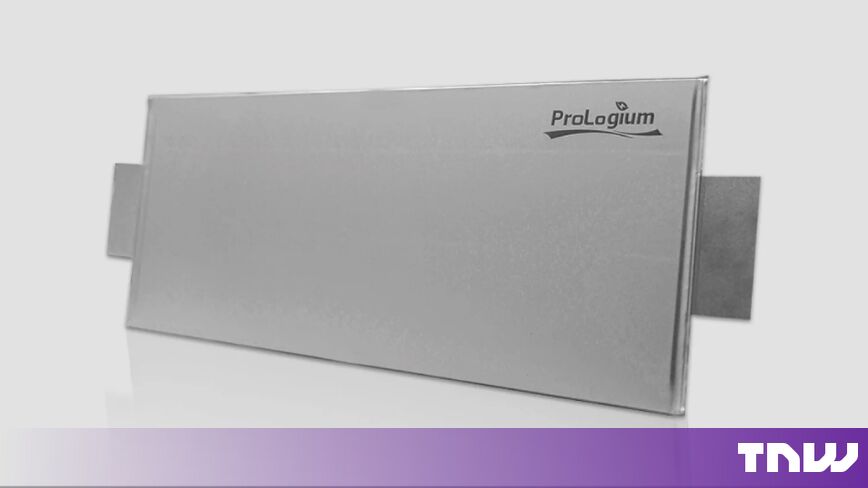
ProLogium Technology develops solid-state lithium ceramic batteries for electric vehicles and consumer electronics with improved safety and energy density.
Selling ProLogium shares
Why shareholders consider selling
Shareholders in ProLogium may explore liquidity for a number of reasons — diversifying a concentrated position, funding a personal financial goal, or simply reducing exposure to a single private holding. As a private company, ProLogium does not trade on a public exchange, meaning employees and early shareholders cannot simply sell through a brokerage. Extended private timelines can leave shareholders waiting years for an exit event, which is why some choose to explore secondary-market options.
Can you sell ProLogium stock?
Whether a shareholder can sell typically depends on what they hold and how it was acquired. Vested and exercised shares are generally more straightforward than unexercised options or unvested RSUs. Most private companies, including those in the Clean Energy & Climate sector, impose transfer restrictions such as rights of first refusal or board approval requirements. The specific terms governing ProLogium shares would be outlined in the holder's equity agreement or the company's governing documents.
What affects the value of ProLogium shares?
The price a buyer is willing to pay for private shares is shaped by several factors: overall demand for the stock, the company's financial performance, broader Clean Energy & Climate market conditions, and any recent private-market transaction activity. Data points such as the company's Series D round and its reported $1B valuation can help frame expectations, though they do not guarantee a transaction price.
What should holders check before selling
- The type of security held (common shares, preferred, options, RSUs)
- Whether the equity is fully vested and, for options, whether it has been exercised
- Any transfer restrictions, lock-up provisions, or company approval requirements
- Estimated net proceeds after applicable taxes and transaction fees
- Whether partial liquidity — selling a portion rather than the full position — may be a better fit
Tools for ProLogium shareholders
Exploring equity in ProLogium often raises questions about taxes, exercise timing, valuation, and exit outcomes. These tools can help you model different decisions using your own assumptions.
Latest funding round
ProLogium most recently raised a Series D round . The company was valued at $1B. Total funding raised to date is approximately $800M.
Lead investors in this round include SoftBank Vision Fund and Samsung SDI.
ProLogium IPO & exit outlook
ProLogium has not announced a confirmed IPO date or acquisition. As a Series D-stage company valued at $1B, ProLogium is at a maturity level where companies sometimes begin exploring public-market readiness — though many remain private for years beyond this point. Founded 2006, ProLogium has been private for 20 years.
For employees holding equity, the timeline to liquidity is uncertain. Options to consider include:
- Secondary-market sales — selling vested shares to outside buyers
- Company-sponsored tender offers — periodic buyback programs some late-stage companies run
- Early exercise and 83(b) elections — strategies to reduce future tax exposure while waiting for liquidity
Read our liquidity guide for a full comparison of paths to liquidity.
Founders & company background
ProLogium was founded in 2006 by Vincent Yang and is headquartered in Taoyuan, Taiwan.
Investors
Industry
Similar private companies
Latest ProLogium news


Frequently asked questions
- Is ProLogium a public or private company?
- ProLogium is a private company as of the most recent data available. Its shares do not trade on a public stock exchange. Employees and early shareholders who want liquidity may need to explore secondary-market options or wait for a future IPO or acquisition.
- What is ProLogium's valuation?
- ProLogium's latest reported valuation is $1B, set during its Series D round. This is the preferred-stock valuation — the price per share that employees hold (common stock) is typically lower due to the liquidation preference stack. See our glossary entries on pre-money valuation and common stock for more detail.
- What is ProLogium's stock price per share?
- ProLogium does not trade on a public exchange, so there is no single live stock price. Indicative pricing may be available through secondary-market platforms. The most recent known valuation data ($1B) can help frame expectations, but common shares typically trade at a discount to the headline preferred-stock valuation.
- When will ProLogium IPO?
- ProLogium has not announced a confirmed IPO date. As a Series D-stage company valued at $1B, ProLogium is at a stage where companies sometimes begin evaluating public-market readiness. IPO timing depends on market conditions, company financials, and board decisions. Employees should plan around the possibility that liquidity may take years and consider whether secondary-market options or company-sponsored tender offers are available in the interim.
- Can I sell my ProLogium stock?
- It depends on what you hold and your company's policies. Vested, exercised shares are generally eligible for secondary-market sales, subject to ProLogium's transfer restrictions and right of first refusal (ROFR). Unexercised options and unvested RSUs typically cannot be sold. Some companies also run periodic tender offers that allow employees to sell a portion of their holdings at a set price. Check your equity agreement or speak with your stock plan administrator for ProLogium-specific rules.
- How much does it cost to exercise ProLogium stock options?
- The out-of-pocket cost equals your strike price multiplied by the number of shares you exercise. For ISOs, exercising may also trigger the Alternative Minimum Tax (AMT) based on the spread between your strike price and the current fair market value. For NSOs, the spread is taxed as ordinary income at exercise. Use our AMT Calculator and Stock Option Tax Calculator to model the cost for your specific situation.
- What type of stock options does ProLogium grant — ISOs or NSOs?
- Most venture-backed companies grant ISOs (Incentive Stock Options) to U.S. employees where possible, with NSOs (Non-Qualified Stock Options) used for amounts exceeding the $100K annual ISO limit, for contractors, or for non-U.S. employees. Your specific grant type is listed in your option agreement. The distinction matters because ISOs can qualify for long-term capital gains treatment, while NSOs are taxed as ordinary income at exercise. See our ISO guide and NSO guide for the full breakdown.
- What happens to my ProLogium stock if the company is acquired?
- In an acquisition, your equity outcome depends on the deal structure and your grant terms. Common scenarios include cash-out (your shares are bought at a set price per share), rollover (your shares convert into the acquirer's equity), or cancellation with an acceleration clause. If you have double-trigger acceleration, your unvested shares may accelerate only if you are also terminated. The liquidation preference stack determines how proceeds are divided — preferred shareholders are paid first, which can reduce or eliminate the payout to common shareholders in lower-value exits.
- What is the difference between common and preferred ProLogium stock?
- Employees typically hold common stock (or options on common stock). Investors hold preferred stock, which usually comes with a liquidation preference — meaning investors get paid first in an exit before common shareholders receive anything. ProLogium's $1B headline valuation reflects the preferred-stock price. The fair market value of common shares (used for your 409A and strike price) is typically 25–50% lower. This distinction is critical when estimating what your shares might actually be worth in an exit.
- What happens to my ProLogium options if I leave?
- When you leave a company, you typically have a limited post-termination exercise window — often 90 days — to exercise your vested options or they expire worthless. Some companies offer extended windows (up to 10 years). Unvested options are forfeited. If you hold ISOs and don't exercise within 90 days of leaving, they convert to NSOs, which changes the tax treatment. Review your option agreement for ProLogium's specific terms, and use our Exercise Timing Planner to model the financial tradeoffs.
Related pages
Last verified: 2026-10-11 · ProLogium data compiled from funding disclosures, investor announcements, corporate filings, and public records.
Information on this page is compiled from publicly available sources and may be outdated or incomplete. This is not investment advice. Consult a qualified advisor before making financial decisions.